Baku tour
Tour description
Day 1. Arrival in Baku.
Meeting at the airport, transfer to the hotel. Bus excursion along the central streets of Baku. Overnight stay at a hotel in Baku.
Day 2. Getting to know Baku.
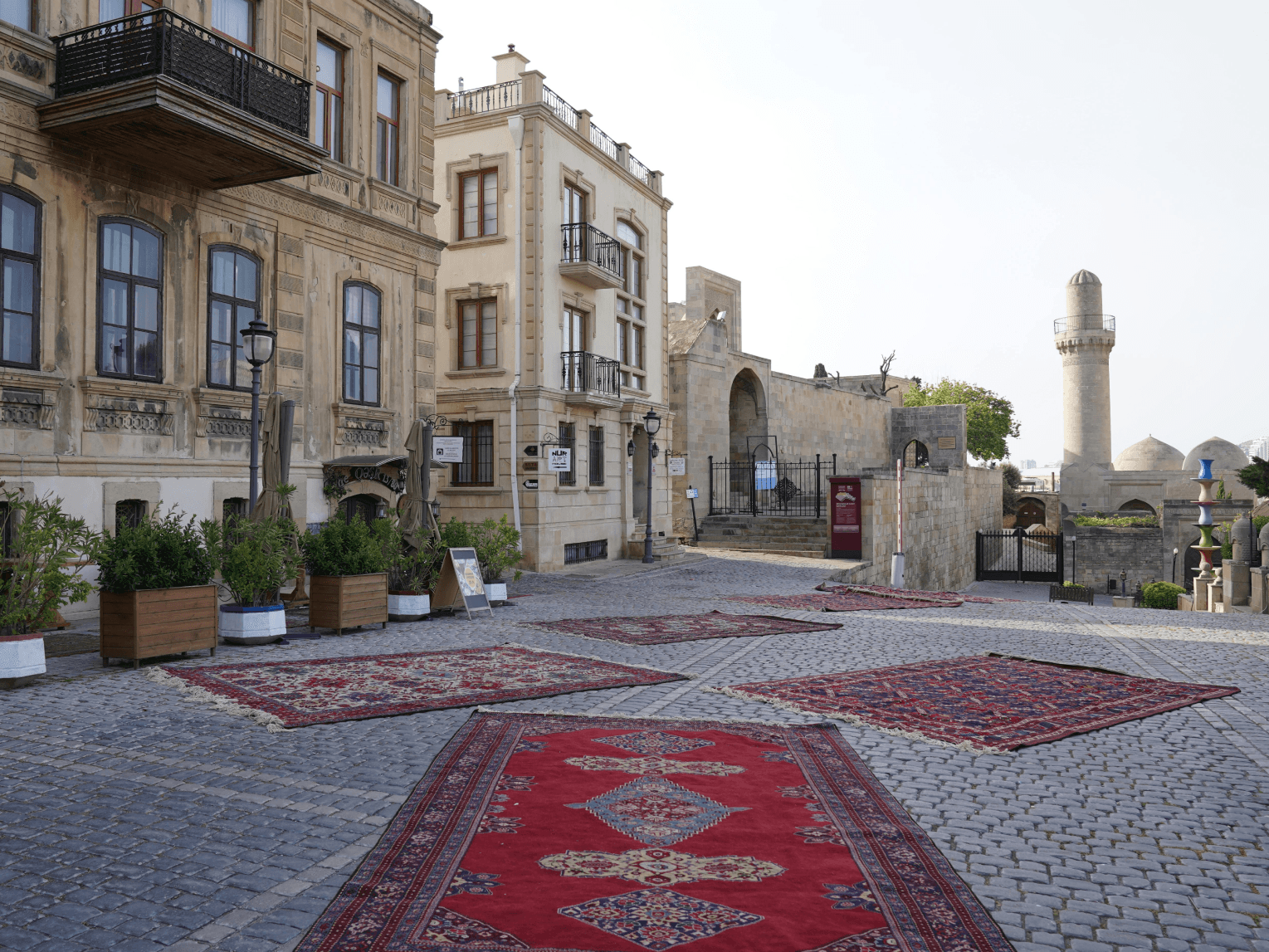
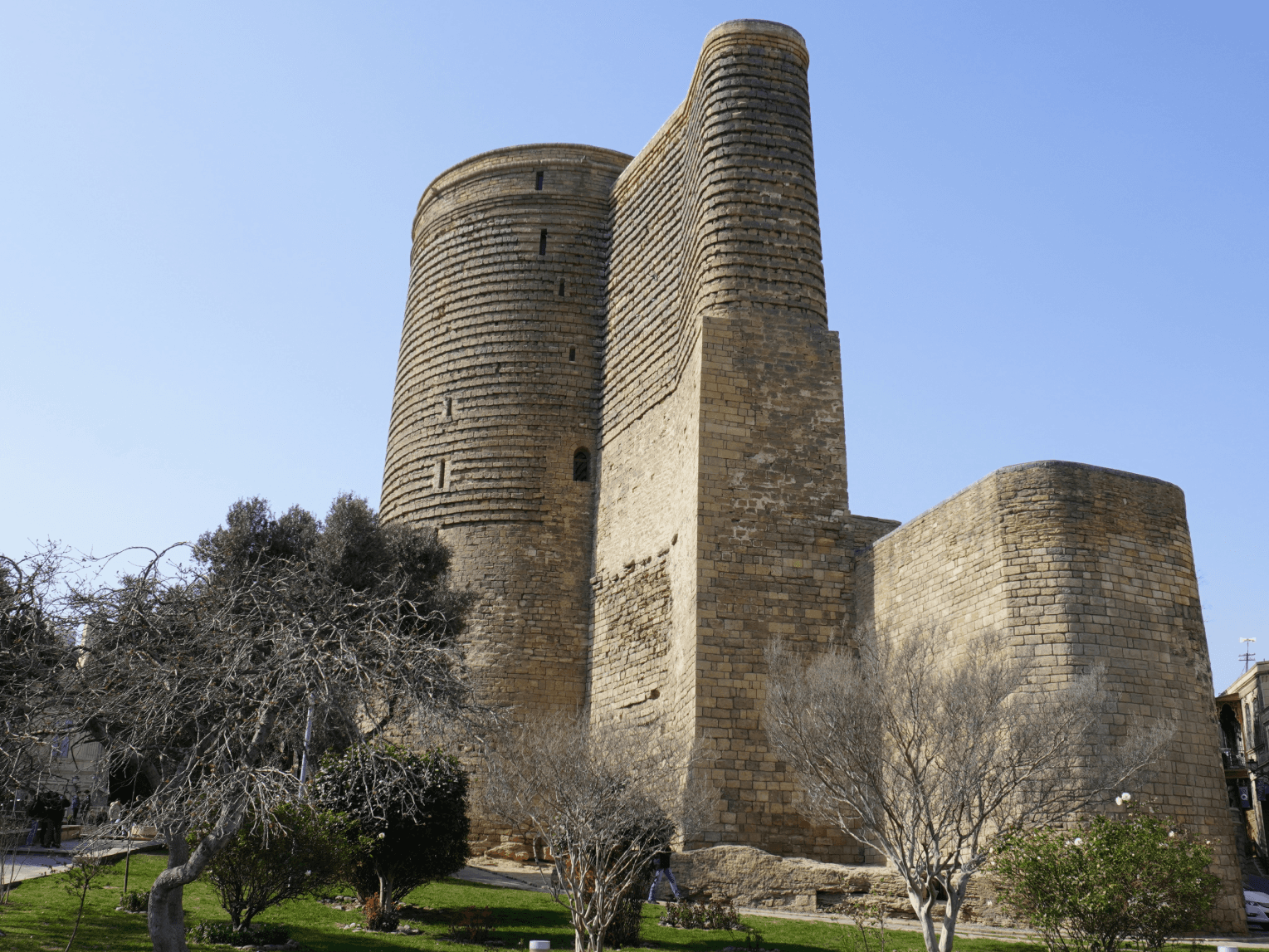
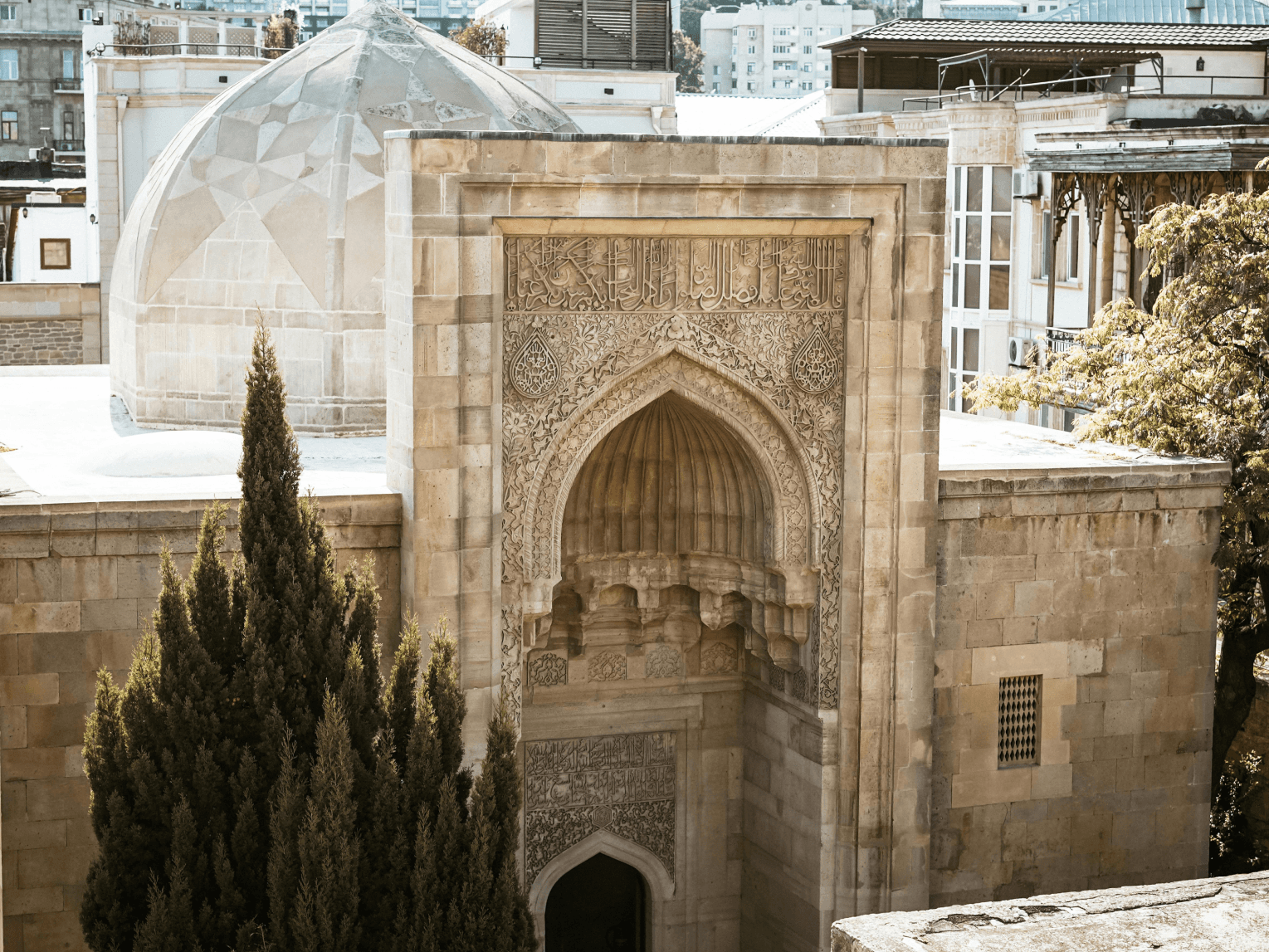
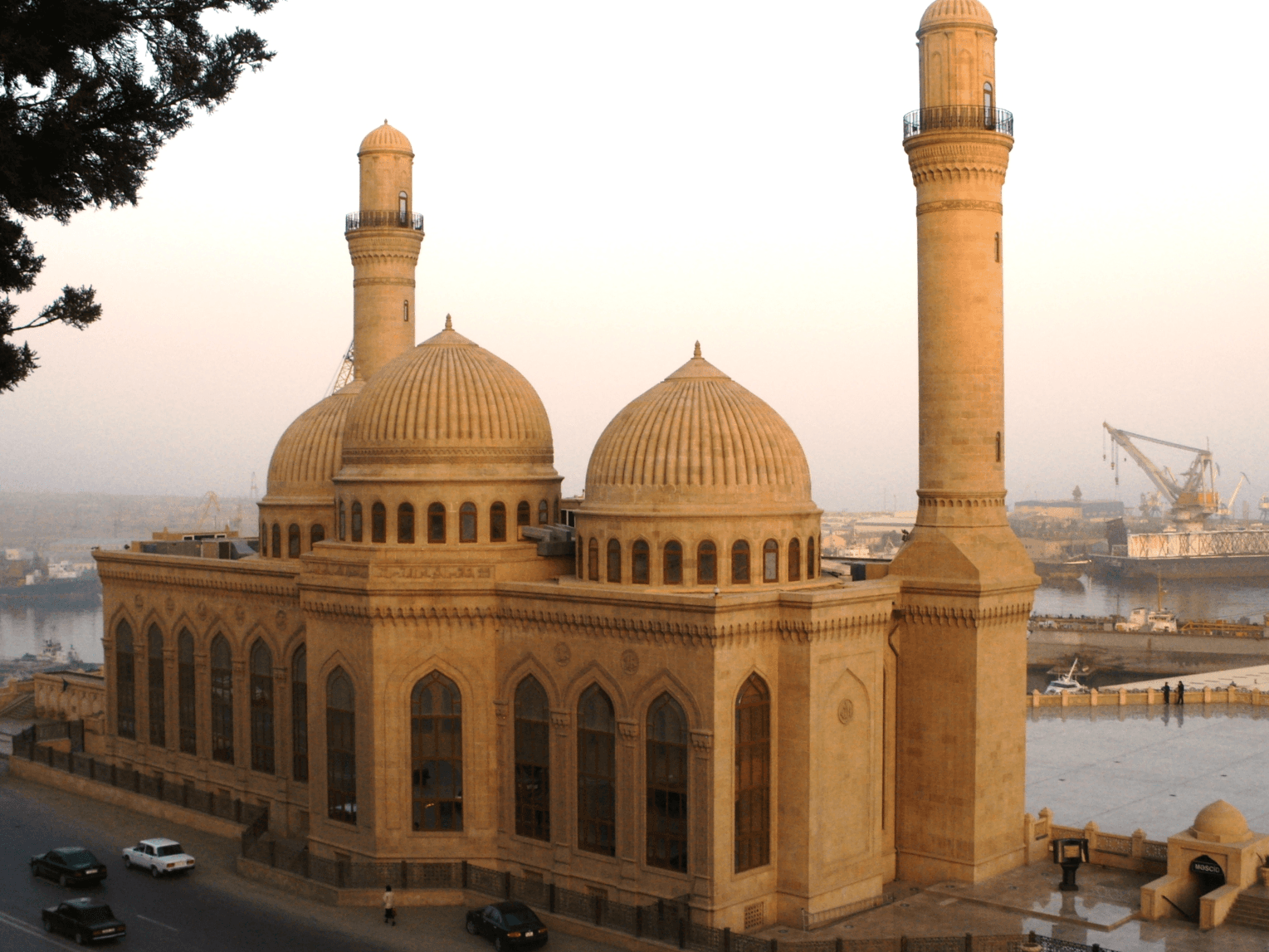
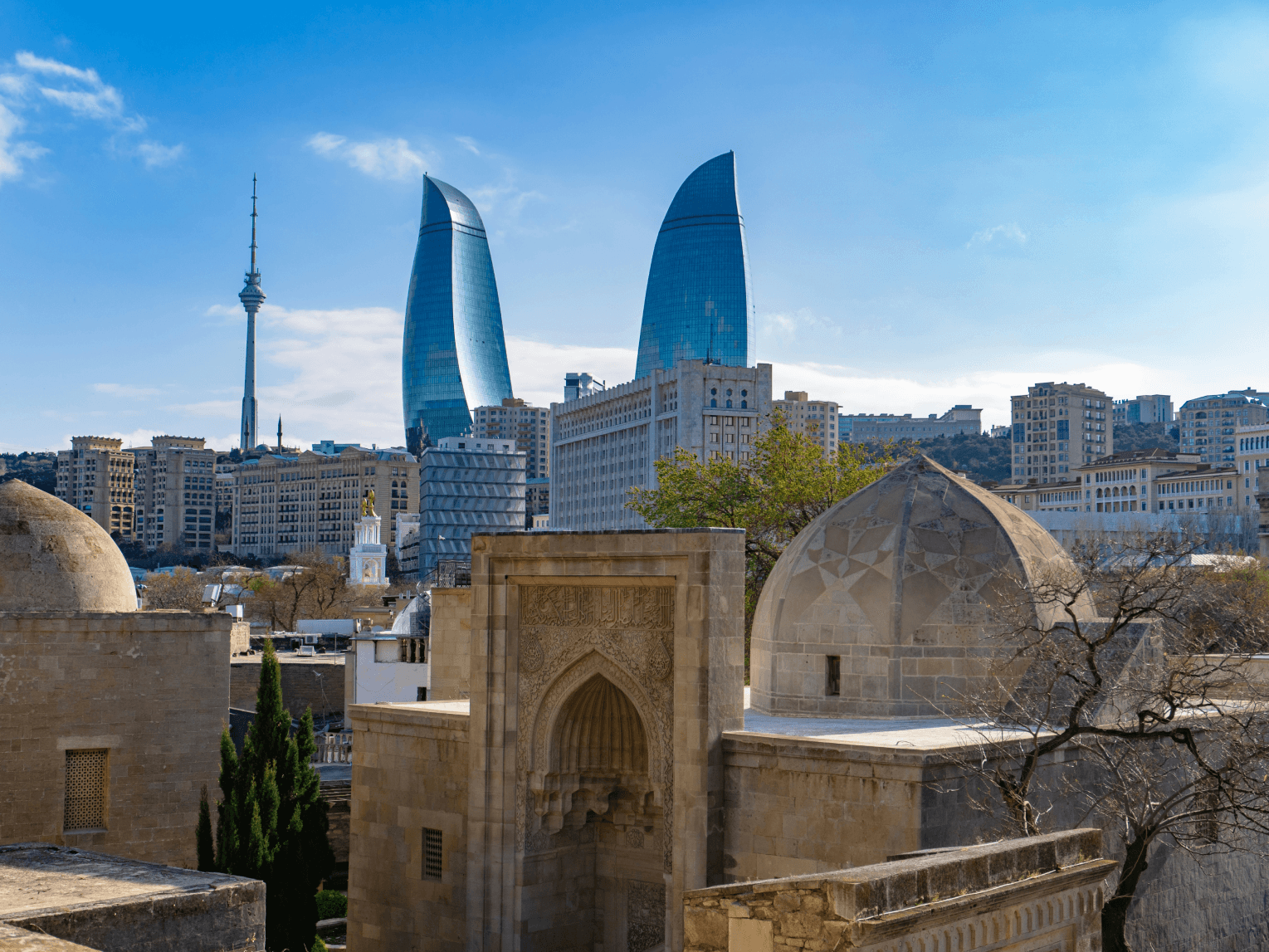
After breakfast, departure for excursions. First, tourists will get acquainted with the panorama of the city and Baku Bay from the observation deck of Upland Park. After this, an excursion to the Old City (Baku Fortress) will begin. The "Old City" complex, which covers the territory of the old fortress, is included in the list of historical monuments protected by UNESCO. The excursion starts at the entrance to the Baku Fortress. Tourists enter the fortress through the ancient "Double Gates," which opened onto the Shamakhi road. Walking with a guide along the ancient streets of the fortress, tourists will visit the Palace of the Shirvanshahs, enter ancient Caravanserais, see old mosques and medieval baths, and climb to the roof of the Maiden Tower. The Maiden Tower is one of the mystical structures of the ancient East. At the end of the excursion, tourists will visit the locations where the famous comedy film "The Diamond Arm" was filmed.
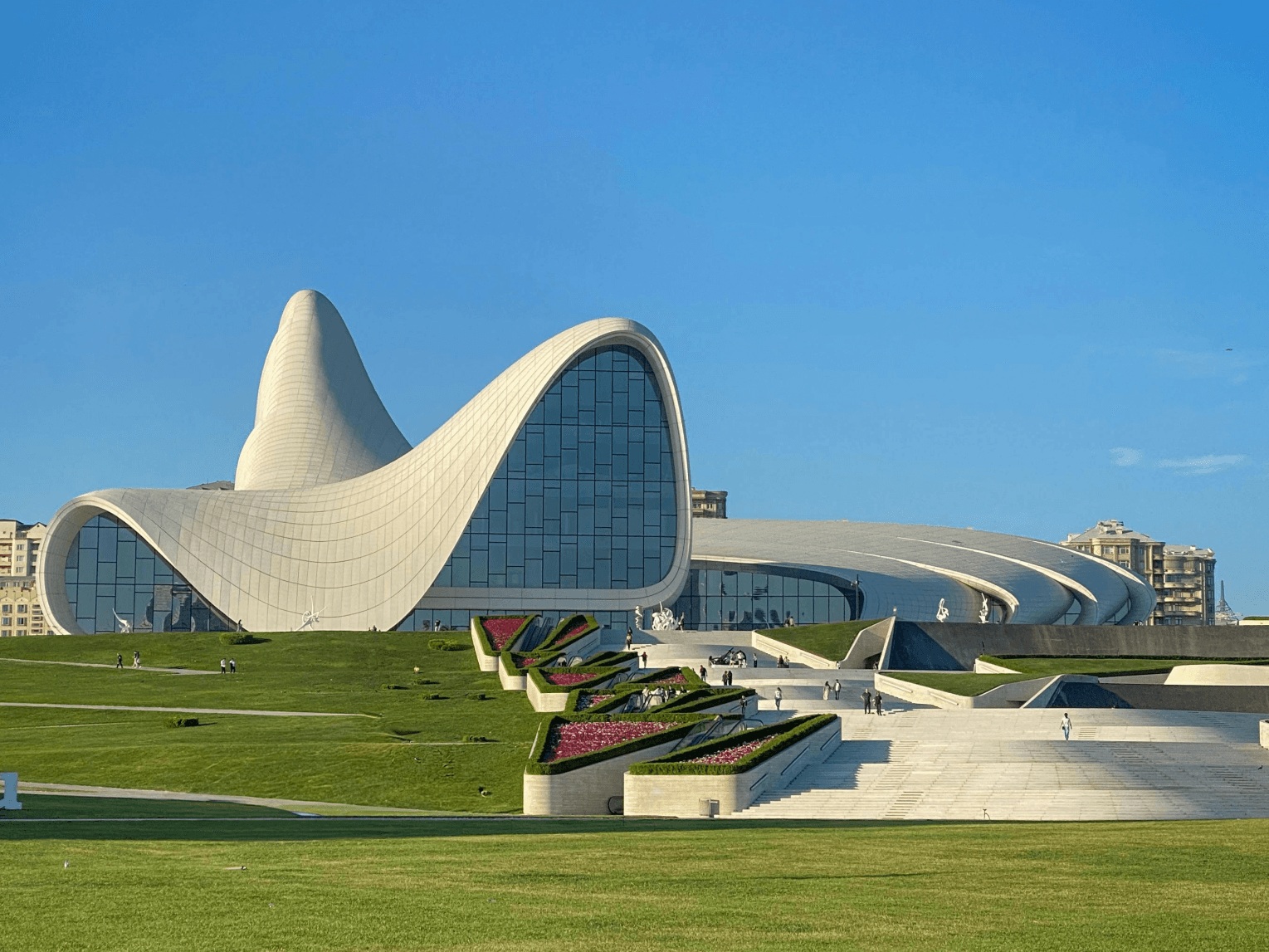
After lunch, continuation of excursions. The next excursion site will be the Heydar Aliyev Center. It is a complex structure that includes an auditorium, museums, and exhibition halls. The center's project was developed in 2007 by the world-famous architect Zaha Hadid. In 2014, it was recognized as the best building in the world and awarded the "2014 Design of the Year" prize. The building houses an interactive museum of national musical instruments, the "Masterpieces of Azerbaijan" museum, which exhibits a collection of national clothing and household items, an exposition of Azerbaijani carpets, and more.
Overnight stay at a hotel in Baku.
Day 3. Baku, Absheron Peninsula
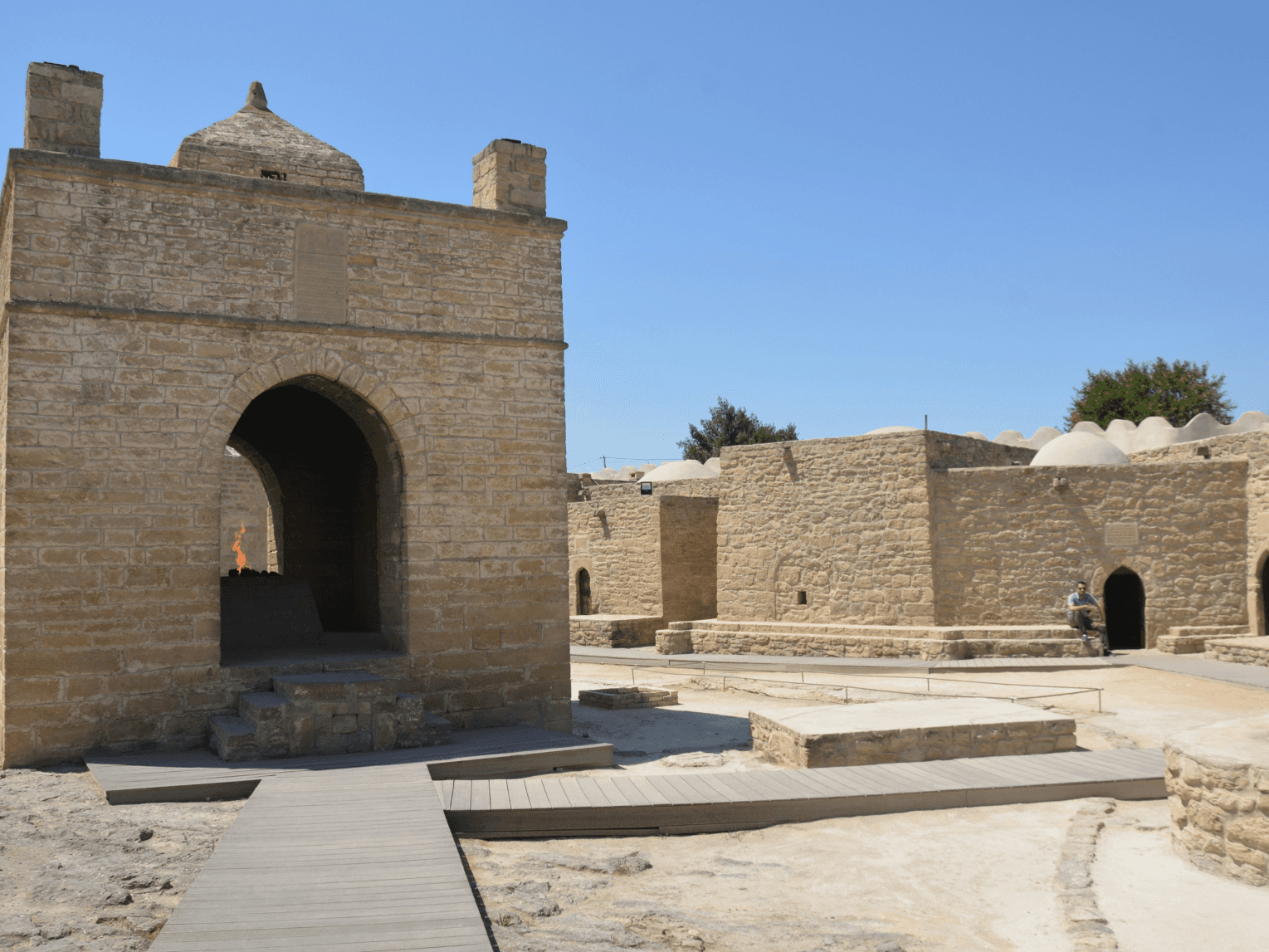
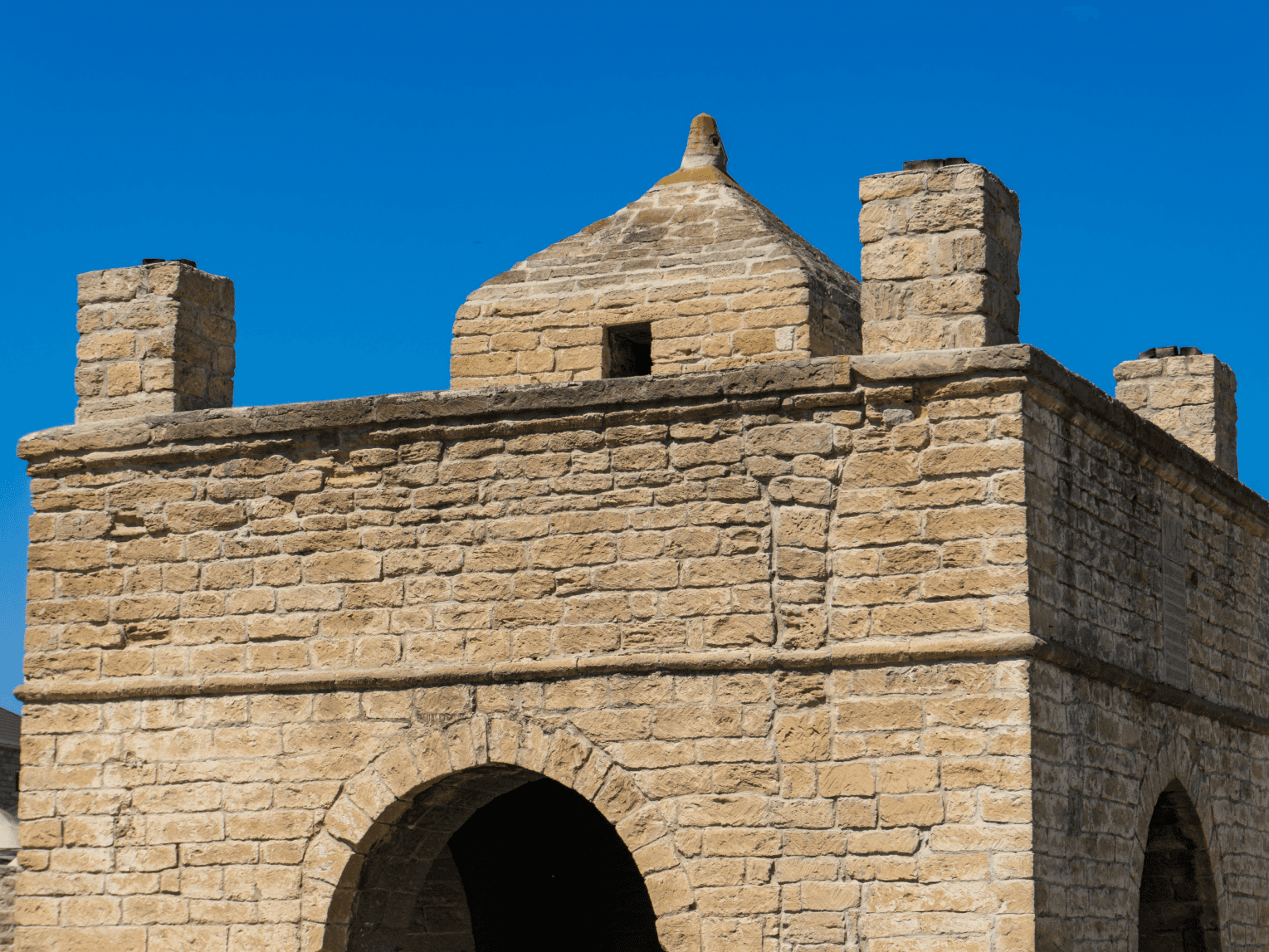
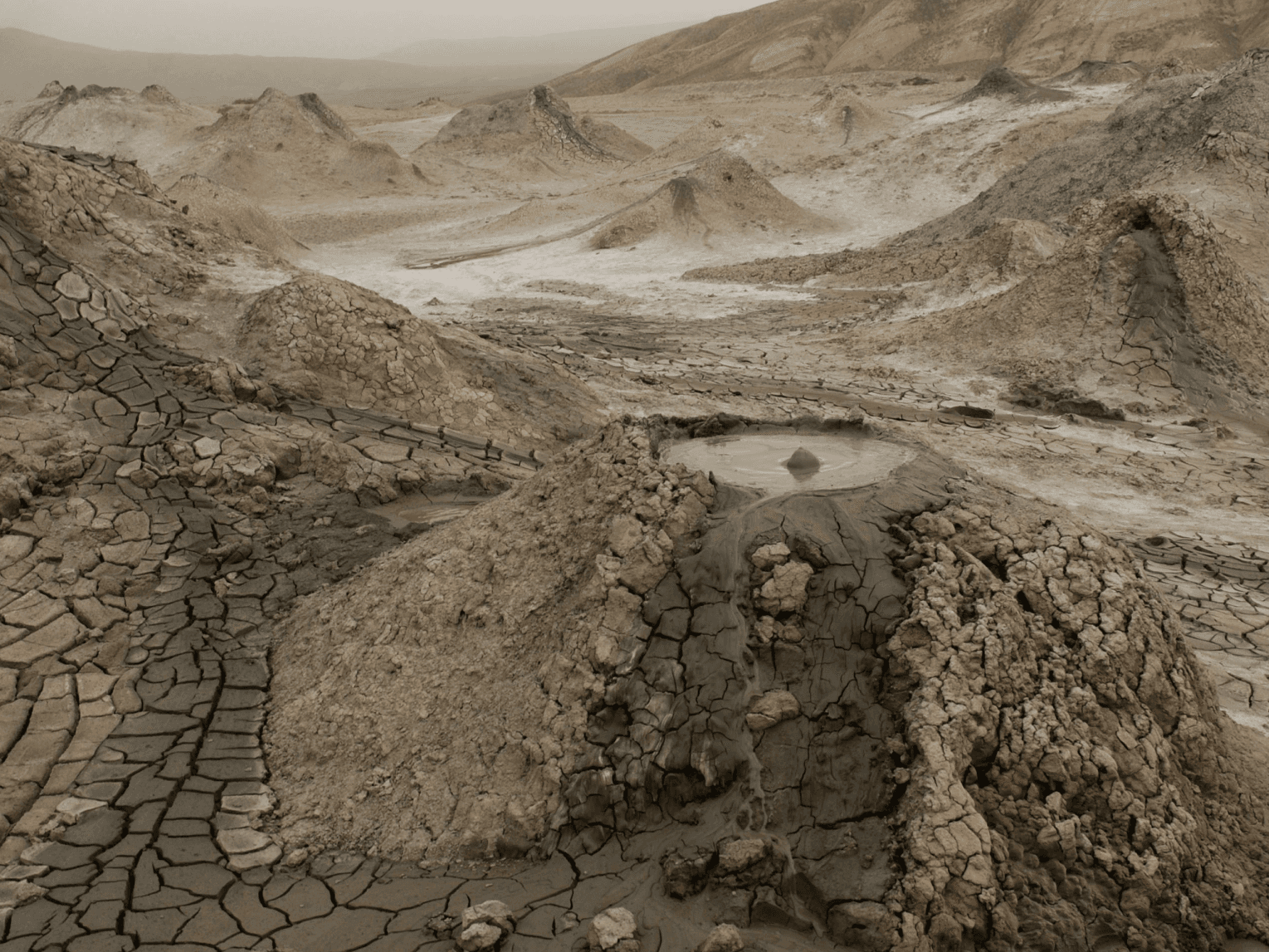
After breakfast, tourists will go on an excursion around the Absheron Peninsula. The first site to visit is the Fire Worshippers' Temple. At the beginning of our era, a Zoroastrian temple was built on the territory of the Surakhany village at the site of natural gas outlets. After the Arab conquest of Azerbaijan and the adoption of Islam by the inhabitants, the Zoroastrian fire temple was partially destroyed. Fire worship in Surakhany resumed after the 15th century. After "Atashgah," tourists will visit the museum complex in the village of Gala. Here, tourists will see ancient artifacts collected in the open air. The next excursion site will be the watchtower in the settlement of Mardakan. The tower was erected in the middle of the 12th century by Shirvanshah Akhsitan I, son of Manuchehr III, following Akhsitan I's victory. It was used as a shelter and observation post for feudal lords. After Mardakan, "Yanardag" (Burning Mountain) awaits the tourists—a place where ancient fire worshippers meditated.
Overnight stay at a hotel in Baku.
Day 4. Baku – Guba Region
Today, tourists will have a one-day trip to the north of Azerbaijan, to the Guba region. The distance one way is 220 km. First, tourists will go to the settlement of Krasnaya Sloboda (Red Settlement), where a local Jewish community lives compactly. This settlement can rightfully be called a "millionaires' village," as many businessmen from Krasnaya Sloboda have appeared on the Forbes list. The most famous are Russian multi-millionaires God Nisanov and Zarah Iliev. This is followed by a visit to the Genocide Memorial Complex, built on the site of a mass grave of local Jewish residents who became victims of a massacre organized in May 1918 by an armed detachment of the Armenian "Dashnaktsutyun" party. After visiting the complex, tourists will head to the high-mountain village of Khinalug, located at an altitude of 2100–2200 m above sea level. The residents themselves call the village Kyat, and themselves Kyats—direct descendants of the biblical Noah. Khinalug is more than 5,000 years old. For centuries, this village was cut off from civilization by inaccessible mountains with dangerous rocky cliffs. Due to this isolation, its inhabitants have managed to preserve a unique language that does not belong to any language group, as well as traditions and customs found nowhere else.
Overnight stay at a hotel in Baku.
Day 5. Baku – Gobustan
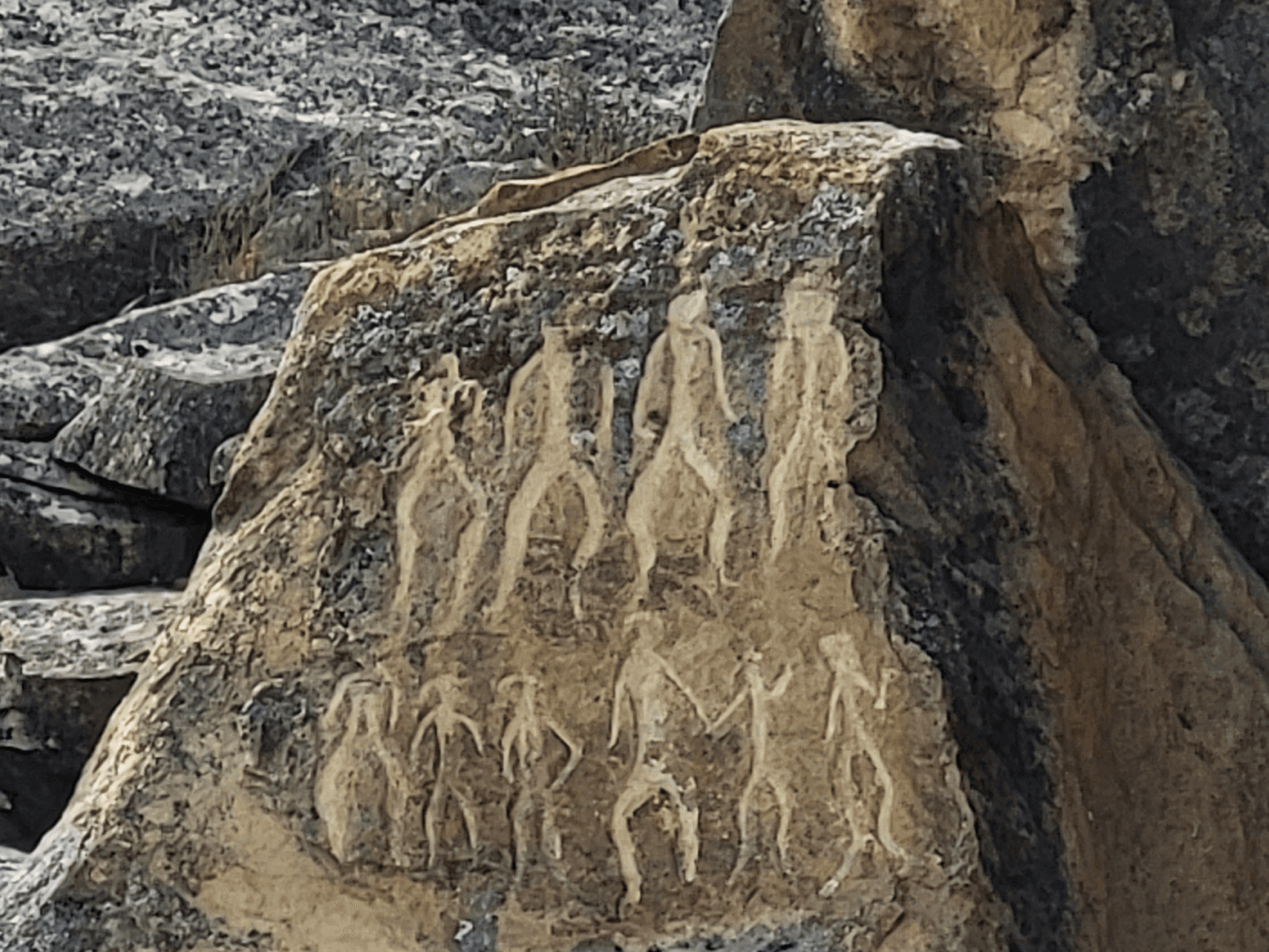
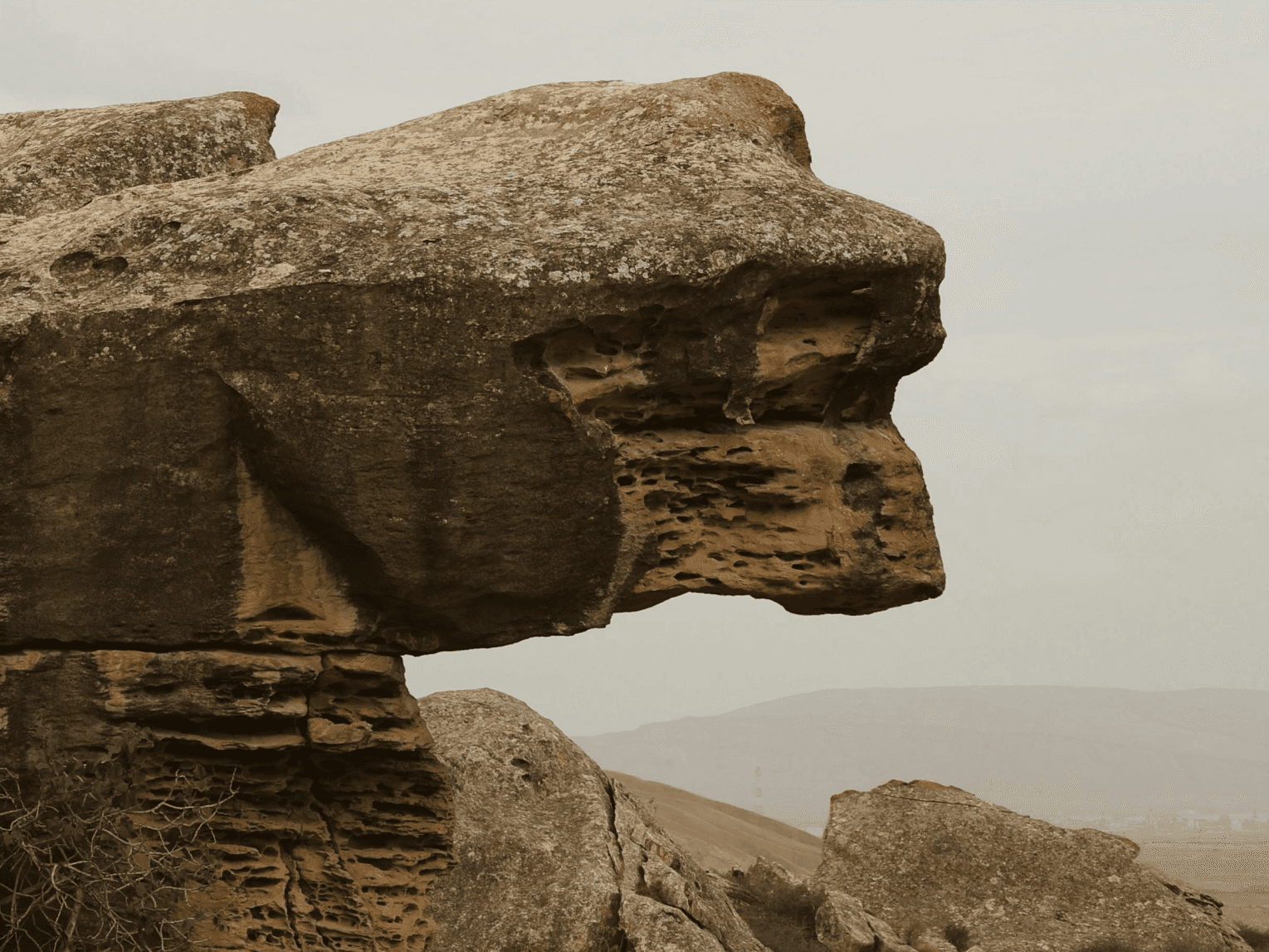
Today, after breakfast, tourists will head to Gobustan—the rock art museum. Here, tourists will visit an interactive museum and an open-air museum. The distance one way is 60 km. The rock carvings of Gobustan belong to different epochs and date from the 10th–8th millennia BC to the Middle Ages. Covering such a vast historical period, they hold a high place among other rock art collections in the world. Through the efforts of archaeologists, more than 6,000 drawings were discovered on 1,000 rocks, along with ancient dwellings—caves and settlements—about 40 mounds, and more than 100,000 items of material culture. The most ancient drawings date back to the Mesolithic era; however, it is assumed that life existed here even earlier, which allows Gobustan to be considered one of the cradles of civilization. On the way back, an interesting excursion to the Azerbaijan Carpet Museum awaits the tourists. It houses both new and ancient carpets from all over the country, representing all 7 schools of the Azerbaijani carpet. The museum is located on the Seaside Boulevard, and the building itself is constructed in the shape of a rolled carpet.
Overnight stay at a hotel in Baku.
Day 6. Transfer to the airport.
Gallery