Tour description
On the way, tourists will visit the 15th-century Sufi mausoleum "Diri Baba" and the Juma Mosque in the city of Shamakhi (8th century, restored in the 19th and 21st centuries).
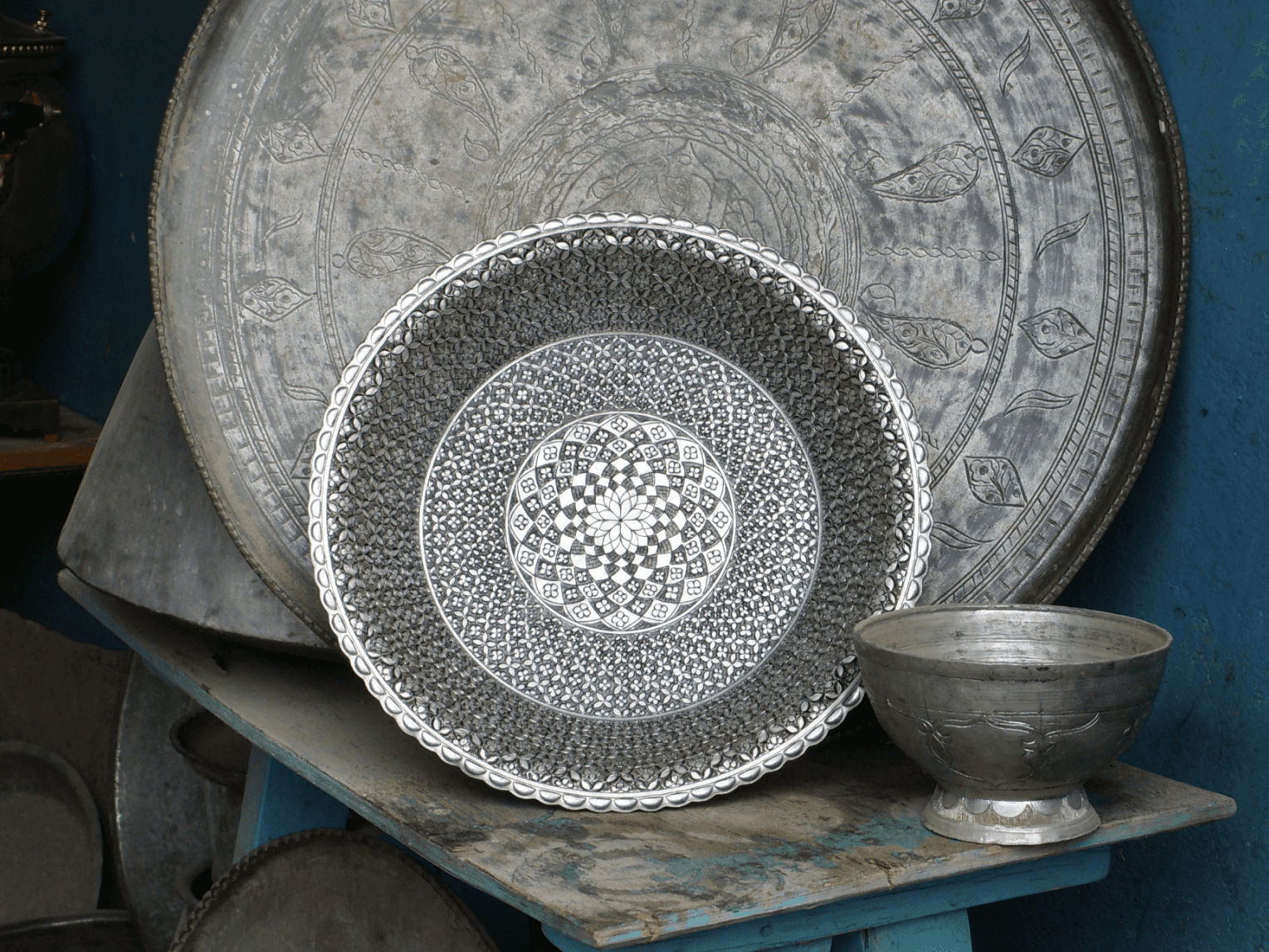
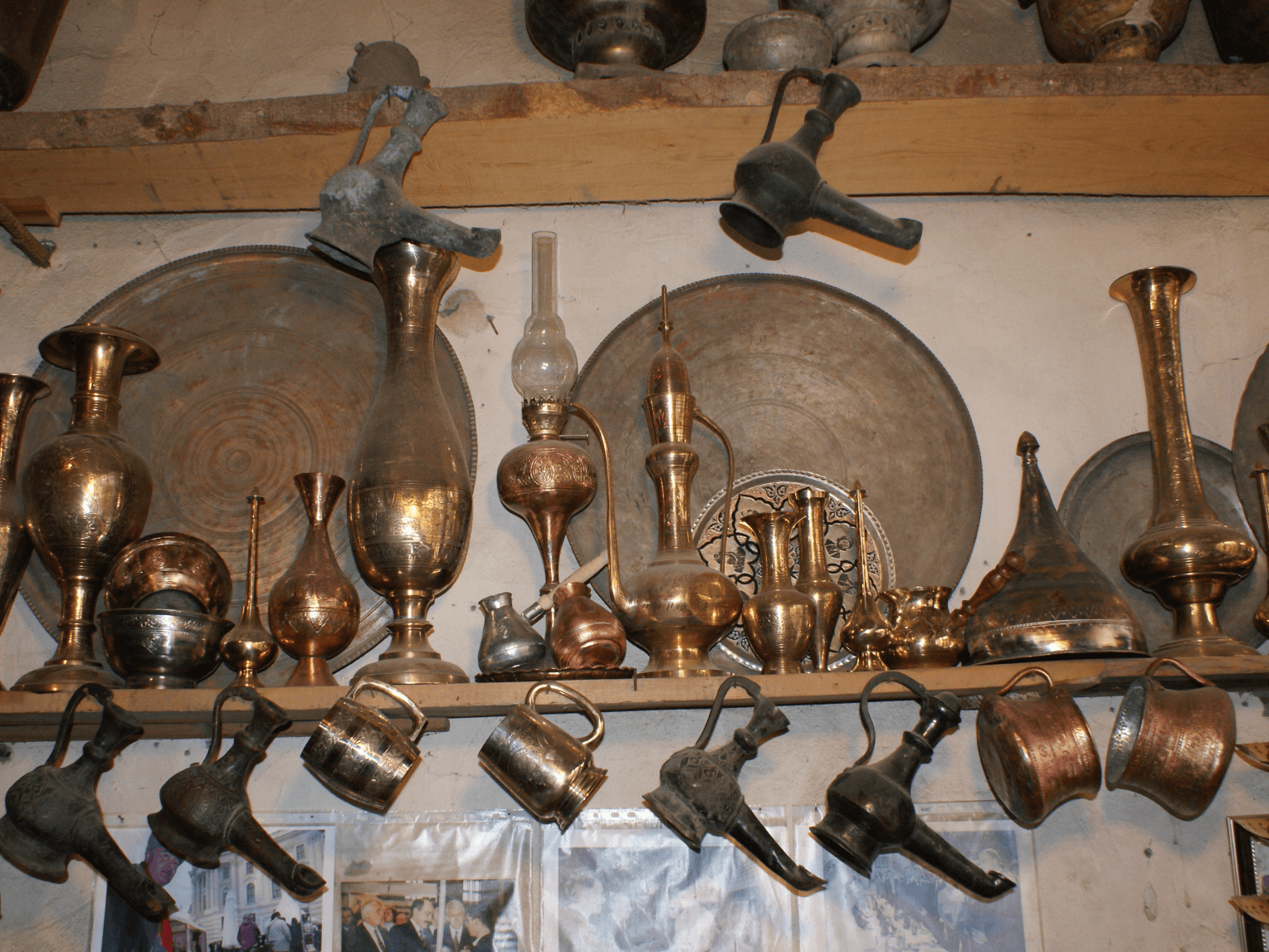
The village of Lahij was founded in the 4th century and is a historical and architectural reserve. The Farsi-speaking Lahij people live in the village. The Lahij ethnic group lives in three other villages in Azerbaijan, and one village is located on the territory of Iran. Back in the 4th century, during the founding of the village, a sewage system and water pipes were built, which are still in use today. The pipes are made of fired clay. The architecture of the village is interesting. The houses are built of processed stones. Wooden beams are laid between the rows of masonry, which act as shock absorbers during earthquakes. The roads in Lahij are paved with stone slabs. The village is famous for its artisans. Carpet weaving, the production of clay products, and copperware are developed here. In the village, you can purchase products made by local craftsmen. The local museum of history and ethnography operates in Lahij, where you can become acquainted with the ancient daily life and history of the village.
Tourists are accompanied by a guide throughout the entire route.
Gallery